2025-09-03 15:24:56 UTC
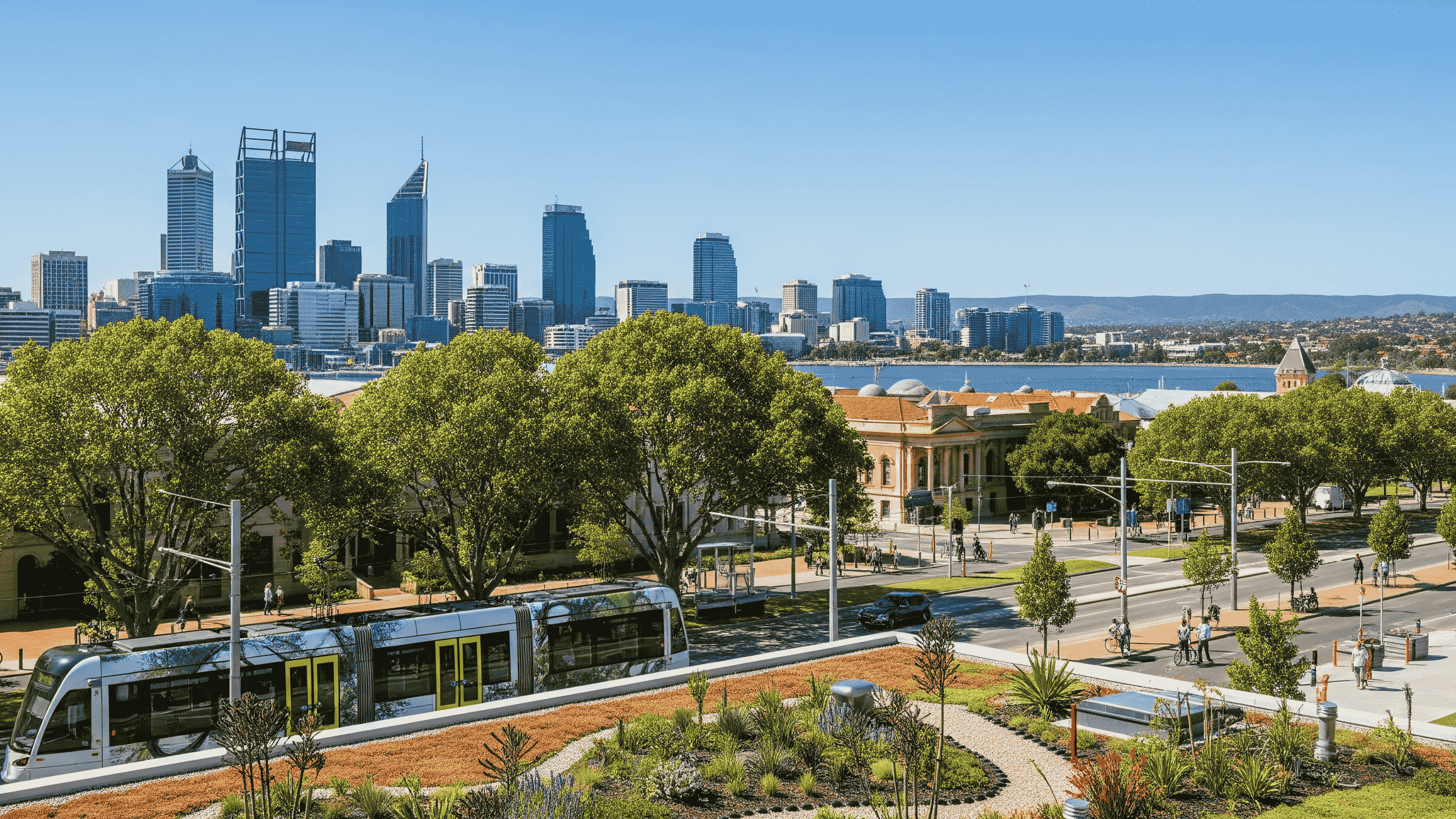
In a state as vast and environmentally sensitive as Western Australia, the conversation around urban development is more critical than ever. As Perth and its surrounding regions continue to grow, the traditional approach of urban sprawl is giving way to a more integrated, sustainable model. This is where landscaping moves beyond mere aesthetics to become a fundamental pillar of strategic urban planning. The design of our cities—from public parks to private verges and commercial precincts—directly influences livability, environmental resilience, and economic prosperity. At Cut and Grow, we believe that strategic landscaping is not just an option but a necessity for building a healthier, more vibrant Western Australia. It’s a proactive step toward creating a future where our urban spaces thrive in harmony with the unique natural environment that surrounds them.
The Environmental Imperative: Mitigating Urban Heat and Managing Water
Social and Economic Benefits: Enhancing Community and Prosperity
Future-Proofing Our Cities: Innovations in Green Infrastructure
Western Australia’s urban development has long been defined by its expansive, car-centric suburbs. This model, while providing space for a growing population, has often overlooked the critical role of integrated green spaces. However, with increasing pressures from climate change, population density, and a growing desire for healthier lifestyles, urban planning in WA is undergoing a significant transformation. The focus is shifting from simply building houses to creating sustainable, connected communities. This new paradigm recognizes that a city's health is inextricably linked to its natural elements. The thoughtful integration of parks, street trees, and public green spaces is now seen as a cornerstone of modern, forward-thinking urban design. This evolution is driven by both public demand and government initiatives that are laying the groundwork for a greener future.
Urban designers, architects, and landscapers are collaborating more closely than ever to implement these new principles. They are moving away from the isolated pocket park model towards a comprehensive network of interconnected green corridors. These networks, often referred to as green infrastructure, are designed to serve multiple functions, from improving air quality and managing stormwater to providing critical habitats for native fauna. The change is visible in new residential developments and revitalised city precincts that prioritise pedestrian access, cycling paths, and the seamless flow of nature through the built environment. This integrated approach ensures that green spaces are not an afterthought but a central feature of the master plan, making our communities more resilient and appealing places to live, work, and play.
Beyond the public realm, there is a growing recognition of the role private land plays in this green transformation. Commercial properties, residential developments, and industrial sites are increasingly adopting sustainable landscaping practices. This includes installing water-wise gardens, green roofs, and living walls that contribute to the overall urban canopy and biodiversity. The collective impact of these individual projects is immense, creating a patchwork of greenery that cools our suburbs and supports local ecosystems. This collaborative effort between planners, developers, and landscaping professionals is essential for achieving a truly sustainable urban future. The focus on native, drought-resistant plants is particularly important, ensuring that these green spaces are both beautiful and well-suited to the harsh WA climate, requiring minimal water and maintenance while maximising their ecological benefits.
To learn more about how your next development can benefit from this modern approach to urban planning and design, we invite you to contact the team at Cut and Grow for a consultation.
The urban heat island effect is a significant challenge in Perth's climate, where hard surfaces like concrete and asphalt absorb and radiate heat, making cities significantly hotter than surrounding rural areas. Landscaping provides a powerful and natural solution to this problem. Strategic planting of trees and other vegetation creates a natural cooling effect through shade and evapotranspiration. A well-designed landscape can lower ambient temperatures, reduce energy consumption from air conditioning, and make public spaces more comfortable for community use during the warmer months. These initiatives are not just about comfort; they are critical for public health and safety, especially for vulnerable populations.
Effective water management is another environmental imperative in a state that faces increasing water scarcity. Landscaping plays a crucial role in managing stormwater runoff, a process that can overwhelm drainage systems and pollute waterways. By incorporating features like rain gardens, swales, and permeable paving, landscapers can help capture, filter, and reuse rainwater. This approach, known as Water Sensitive Urban Design (WSUD), reduces the strain on traditional infrastructure and promotes a more circular, sustainable water cycle. At a macro level, this contributes to the health of our rivers and wetlands, which are vital components of WA’s ecosystem.
Moreover, the choice of plant species is fundamental to environmental success. In Western Australia, this means a strong emphasis on native and drought-tolerant plants that are adapted to the local climate and soil conditions. These plants require less water, fewer chemicals, and provide food and shelter for native birds, insects, and other wildlife. By creating biodiverse green spaces, landscaping helps to restore fragmented habitats and strengthen the overall ecological resilience of our urban areas. This is a key part of our commitment at Cut and Grow: we don’t just plant things; we build living, breathing systems that benefit the entire environment.
The long-term success of these projects depends on a holistic view that considers the full life cycle of the landscape. From the initial design and plant selection to ongoing maintenance and management, every decision has an environmental consequence. A truly sustainable urban landscape is not only beautiful upon completion but continues to flourish and provide benefits for generations to come, adapting to changing environmental conditions and serving as a model for future developments.
Contact Cut and Grow today to discuss how our expertise in sustainable landscaping can help your project meet its environmental and community goals.
Landscaping and green spaces are powerful tools for social cohesion and public well-being. Parks, plazas, and community gardens provide vital spaces for people to gather, exercise, and connect with nature. Research consistently shows that access to green spaces reduces stress, improves mental health, and encourages a more active, outdoor lifestyle. For children, these areas are crucial for play and discovery, fostering a connection to the natural world from a young age. By designing landscapes that are accessible, inviting, and safe, urban planners can create more equitable and inclusive communities that cater to the needs of all residents, from young families to retirees.
The economic benefits of quality landscaping are equally compelling. Well-designed green spaces can significantly increase property values, making a development more attractive to prospective buyers and tenants. They also create a more desirable environment for businesses, attracting talent and investment and boosting local economies. Landscaping a commercial precinct, for instance, can not only create a more pleasant environment for employees and customers but also enhance a company’s public image and brand value. The presence of vibrant green spaces is a clear signal that a city or a company is committed to sustainability and quality of life, which is a major draw in today's competitive market.
Furthermore, investing in urban greening can lead to substantial long-term savings. By reducing the need for expensive grey infrastructure like large-scale drainage systems and air conditioning, landscaping provides a cost-effective, natural alternative. The maintenance of these spaces, when done correctly, can also create local jobs and support a thriving "green industry." This economic feedback loop ensures that the benefits of greening initiatives are felt throughout the community, providing a return on investment that goes far beyond the initial aesthetic improvement. For businesses and developers, this means that strategic landscaping is not a cost center but a value-add that contributes to both the top and bottom lines.
The integration of green spaces also plays a role in attracting tourism and strengthening a city's identity. Unique and well-maintained public landscapes, such as the Kings Park and Botanic Garden in Perth, become iconic landmarks that define a city’s character. These spaces draw visitors from around the world, contributing to the local tourism economy. They provide a sense of place and pride for residents, making the city a more enjoyable and memorable destination.
Learn how Cut and Grow can help you enhance the social and economic value of your property with strategic landscaping solutions by contacting us today.
To ensure that urban development is both high-quality and sustainable, Western Australia has established a clear regulatory framework. A key component of this is the Western Australian Planning Commission (WAPC), an independent statutory authority responsible for integrated land use planning across the state. The WAPC works with state and local governments to create policies and plans that guide all major developments. Its role is to ensure that growth is well-managed and that it aligns with long-term strategic goals for community benefit. For any large-scale project, understanding and working with the WAPC’s guidelines is a non-negotiable step to ensure a smooth and successful approval process.
Integral to the WAPC’s work is the Design WA suite of policies. Introduced to elevate the importance of design quality, this framework includes principles for good design that apply to the entire built environment, from individual buildings to entire precincts. Design WA explicitly promotes climatically responsive design, effective water management, and the integration of landscaping to create better, more livable spaces. For developers, this means that landscaping is no longer an optional add-on but an essential part of the design and approval process. Adhering to these principles not only helps secure planning approval but also results in a superior product that is more resilient and appealing.
Navigating this regulatory landscape can be complex, and this is where professional expertise becomes invaluable. A specialist landscaping partner can provide the necessary knowledge to ensure that your project’s design aligns with the WAPC and Design WA requirements. This includes everything from selecting appropriate plant species that meet water-wise standards to designing public spaces that fulfill social and environmental objectives. A knowledgeable team can translate these complex policies into actionable, on-the-ground solutions, saving you time and money while ensuring your development meets the highest standards.
The City of Perth's Urban Greening Strategy is a prime example of a local initiative that complements the state-wide framework. This strategy sets out a commitment to increasing urban greenery on both public and private land, with a focus on maximizing its contribution to Perth's livability and sustainability. Working with a company that understands these local and state-level requirements is crucial for a project's success.
Contact Cut and Grow to discover how our expertise can help you successfully navigate the regulatory requirements of your next landscaping project.
The future of urban planning in Western Australia lies in the continued innovation of green infrastructure. While tree planting and parks are foundational, new technologies and design concepts are pushing the boundaries of what is possible. For instance, the use of living walls and green roofs on commercial and residential buildings is transforming unused vertical and horizontal spaces into vibrant ecosystems. These installations provide significant insulation, reducing energy costs, and they create new habitats for pollinators, contributing to urban biodiversity in unexpected places. They represent a creative way to integrate nature even in the most densely populated areas, making every building a potential contributor to the city's green network.
Another critical innovation is the concept of ecological linkages or green corridors. This involves creating a connected network of green spaces, from parks and verges to restored drainage lines, that allows wildlife to move through the urban landscape. By linking fragmented habitats, these corridors support native fauna and increase the overall resilience of the ecosystem. Landscaping professionals are now using advanced mapping and ecological knowledge to design these linkages, ensuring that they are effective and sustainable. This kind of macro-level planning requires a deep understanding of both design and the local environment, making it a highly specialised field.
Finally, the increasing use of smart water management systems is revolutionising how landscapes are maintained. Sensors and automated systems can precisely monitor soil moisture and weather conditions, ensuring that water is used efficiently and only when needed. This technology is essential in a water-scarce region like WA, helping to conserve a precious resource while keeping landscapes healthy and vibrant. These innovations, combined with a commitment to sustainable principles, are what will truly future-proof our cities, ensuring they are not only beautiful but also resilient in the face of environmental challenges.
To discuss how these innovations can be applied to your upcoming project, we encourage you to contact us. Cut and Grow is at the forefront of sustainable landscaping in Perth and can help you create a forward-thinking, resilient urban space.
Receive blog updates and other content directly to your inbox by adding your email address below!